





Sleep and Rest in Later Life – How Care Homes Support Healthy Sleep for Older Adults


Sleep is essential at every stage of life, but in later years it often becomes more fragmented. Many older adults experience lighter sleep, frequent waking or changes to their natural sleep wake cycle. While this is common, ongoing poor sleep can have a real impact on physical health, emotional wellbeing and overall quality of life.
In a care home environment, sleep and rest are a vital part of holistic care. At LuxuryCare, nighttime support goes far beyond supervision. It is rooted in understanding individual routines, creating calming spaces and offering reassurance whenever it is needed, day or night.
This article explores why sleep changes in later life, how care homes actively support healthy rest, and what families should look for when choosing care for a loved one.
Why Sleep Changes as We Age
Ageing naturally affects how the body regulates sleep. For many people, these changes appear gradually and are influenced by health, medication and emotional wellbeing.
Changes to Natural Sleep Patterns
As we grow older, the body produces less melatonin, the hormone responsible for regulating sleep. This can lead to earlier bedtimes, earlier waking and lighter sleep overall. According to guidance from the NHS on sleep and ageing, maintaining consistent routines and calm sleeping environments can help improve rest and reduce nighttime waking.
Care homes that recognise these changes can adapt routines accordingly, rather than expecting residents to follow rigid schedules.
Health Conditions and Medication
Chronic conditions such as arthritis, heart disease or respiratory issues can cause discomfort during the night. Pain, stiffness or breathlessness may interrupt sleep, while certain medications can increase alertness or disturb sleep cycles.
For residents living with dementia, sleep disruption is particularly common. Confusion or anxiety can increase after dark, making reassurance and familiarity essential. LuxuryCare’s approach to specialist dementia care focuses on predictable routines, calm communication and supportive environments that help residents feel safe at night.
Why Sleep Quality Matters in Care Homes
Good sleep supports nearly every aspect of wellbeing. When older adults rest well, they are more likely to feel emotionally balanced, maintain memory and cognitive function, move more confidently and engage in daily activities.
Poor sleep can contribute to fatigue, irritability and confusion, which is why high quality care homes treat sleep as an essential part of care, not an afterthought.


How LuxuryCare Supports Healthy Sleep and Rest
Personalised Bedtime Routines
One of the key benefits of professional care is flexibility. At LuxuryCare, residents are not expected to fit into fixed bedtimes or wake up calls. Instead, care teams take time to understand individual preferences and habits.
Information gathered during admission feeds directly into each resident’s care plan, following the personalised approach outlined across LuxuryCare’s Our Care philosophy. Whether someone prefers an early night or enjoys staying up later reading or watching television, routines are shaped around what feels familiar and comfortable.
Comfortable, Familiar Sleeping Spaces
Sleep quality is strongly influenced by environment. LuxuryCare bedrooms are designed to feel calm, homely and personal rather than clinical. Residents are encouraged to bring familiar items from home, such as photographs, lamps or bedding.
This emphasis on comfort and familiarity reflects LuxuryCare’s wider commitment to dignity and emotional wellbeing, which underpins daily life across its rooms and facilities. Feeling safe in one’s surroundings makes it far easier to relax and sleep well.
Creating Calm Evenings
Healthy sleep begins well before bedtime. Evenings at LuxuryCare are intentionally calm and unhurried, helping residents naturally wind down.
Later-day activities focus on relaxation rather than stimulation, such as gentle conversation or listening to music. Lighting is softened, and residents are supported to move at their own pace rather than being rushed.
This approach reflects guidance from Age UK on sleep in later life, which highlights the importance of routine, relaxation and reduced stimulation in the evening.
Nighttime Support and Reassurance
Discreet Overnight Care
Knowing that help is available at any hour provides reassurance for residents and peace of mind for families. LuxuryCare provides attentive nighttime care, with trained staff available to support residents with mobility, comfort checks, reorientation and emotional reassurance.
Support is delivered discreetly and respectfully, ensuring dignity is maintained and sleep disruption is minimised wherever possible.
Supporting Residents with Dementia at Night
Nighttime can be particularly challenging for people living with dementia. Changes in perception and awareness can heighten confusion after dark. LuxuryCare’s dementia-trained teams use consistent routines, gentle communication and familiar cues to reduce distress.
This aligns with advice from the Alzheimer’s Society on sleep and dementia, which emphasises predictability and reassurance as key to supporting rest.


Balancing Daytime Activity and Rest
Good sleep is closely linked to how the day is spent. Regular movement, mental stimulation and social interaction help regulate natural sleep wake cycles.
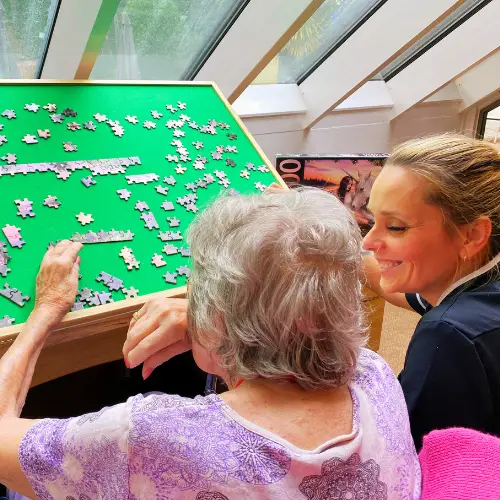
Daily life at LuxuryCare includes a balanced programme of creative sessions, gentle exercise and social engagement, alongside opportunities for quiet rest. This balance is central to Life at LuxuryCare, where wellbeing is supported around the clock rather than focusing solely on night-time care.
Access to outdoor spaces, including landscaped gardens, also plays an important role in supporting natural circadian rhythms, which you can explore through LuxuryCare’s garden spaces.
How Families Can Support Better Sleep
Families remain an important part of care, particularly during the early weeks after a move into a care home. Simple steps can help support healthy rest, including sharing information about long-standing sleep habits, providing familiar comforts and communicating openly with staff.
LuxuryCare encourages ongoing collaboration with families, and relatives are always welcome to speak with the team via the contact page if they have any concerns.
Sleep and rest are fundamental to wellbeing in later life. When older adults feel safe, comfortable and supported at night, they are better able to enjoy each day with confidence and energy.
Through personalised routines, calm environments and compassionate overnight care, LuxuryCare supports healthy sleep as part of a wider commitment to dignity, independence and quality of life.
If you’d like to learn more about how LuxuryCare supports residents day and night, you can explore their approach to care or arrange a visit using the admission guide.