





Nutrition and Appetite in Later Life – How Care Homes Support Healthy Eating for Older Adults


Food is far more than fuel, it’s comfort, culture, memory, and connection. But as we age, nutrition and appetite naturally change, sometimes making it harder to get the right balance of nutrients day-to-day. In care homes, thoughtful and personalised mealtime support becomes essential, not only for health but for dignity, confidence and pleasure.
At LuxuryCare, nutritional wellbeing forms an important part of holistic care, complementing our focus on meaningful activities, personalised support and creating emotionally uplifting environments. Residents benefit from chef prepared meals, dietician supported planning and flexible mealtime routines, all tailored to their needs. Understanding how and why appetite changes can empower families to make informed decisions when choosing a care home.
How Ageing Affects Appetite and Nutrition
It’s very common for older adults to experience changes in appetite, digestion and food preferences. Sometimes these changes are gradual; sometimes they follow a major life event such as bereavement, illness, hospital admission or a shift in daily routine.
- Appetite Often Decreases Naturally With Age
A phenomenon known as anorexia of ageing can reduce hunger cues. The body requires fewer calories, but the need for nutrients like protein, fibre, vitamins and minerals remains just as important, sometimes more so. Care homes help by providing smaller, more frequent meals, alongside nutritionally dense snacks and drinks.
- Taste and Smell Can Diminish
Dulled taste buds may cause favourite foods to seem “bland” or unfamiliar. At LuxuryCare, chefs adjust seasoning, flavour profiles and textures so residents continue to enjoy food even with sensory changes. Enhancing aromatic herbs, colourful presentation and warm spices can reignite interest in eating.
- Medical Conditions Can Impact Eating
Health conditions such as dementia, Parkinson’s disease, heart disease and depression can affect appetite, coordination or swallowing. Families looking into dementia support often find that mealtime adaptations are just as important as emotional care. Homes that provide specialist dementia support, such as the dedicated environments at LuxuryCare’s Memory Care Suites, use modified cutlery, calm dining rooms, colour-contrast plates and finger food menus to maintain independence.
For further insight into this, organisations like Alzheimer’s Society offer guidance on how dementia affects food habits and mealtime awareness.
- Hydration Becomes More Challenging
Older adults may feel less thirsty, raising the risk of dehydration. Care teams monitor fluid intake carefully and encourage hydration naturally, through juices, soups, fruit, herbal teas and hydration stations.
Why Nutrition Matters So Much in Later Life
Maintaining good nutritional intake can directly affect:
- energy levels and mood
- muscle strength, helping reduce falls
- immune function
- skin integrity and wound healing
- cognitive performance
- medication tolerance and overall health stability
Good food truly is a cornerstone of wellbeing. It supports everything from mobility and confidence to participation in daily life, including the varied activity programmes available across LuxuryCare homes.


How Care Homes Like LuxuryCare Support Healthy Eating
- Personalised Nutrition Plans
Every resident arrives with unique preferences, cultural backgrounds, medical considerations and dietary needs. During the initial assessment and early days of settling in, teams gather details about allergies, favourite meals, dislikes, and nutritional targets. These details help chefs and care teams build personalised meal plans that feel familiar and comforting.
LuxuryCare’s commitment to highly individualised care, highlighted throughout the website, especially in their approach to supporting emotional wellbeing, naturally extends to mealtimes.
- Chef Prepared, Home Style Meals
High quality fresh ingredients, homemade dishes and seasonal menus make a significant difference to appetite and enjoyment. Meals might include warming soups, roast dinners, light lunches, soft dessert options and nutritious slow cooked dishes. For many residents, this level of home style comfort provides reassurance, especially during transitions such as moving into a care home.
Where appropriate, families are also encouraged to share preferences, which can be added to weekly menu rotations.
- Calm, Supportive Dining Environments
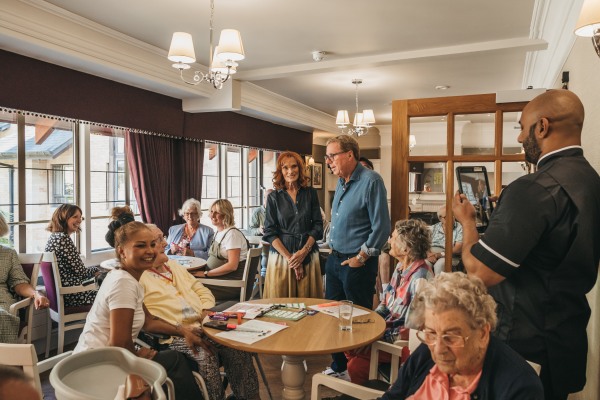
Creating the right environment is just as important as the food itself. LuxuryCare’s dining rooms are designed to promote calm, community connection and dignity. Staff use unhurried pacing, gentle prompts and reassuring conversation to support those who need help with coordination, confidence or memory.
For residents living with dementia, offering choices visually, such as showing plated options, can greatly increase appetite.
- Flexible Mealtimes, Not Strict Schedules
Rigid meal routines can be distressing for older adults, especially those accustomed to eating outside traditional mealtimes. Offering early breakfast options, afternoon snacks, late suppers or light alternatives ensures residents eat when they feel most comfortable, not when the clock dictates.
This flexible approach echoes LuxuryCare’s broader ethos that care adapts to the individual, not the other way around.
Supporting Residents Who Lose Interest in Eating
Changes in appetite may be temporary or signal a deeper medical or emotional cause. Care homes use several supportive strategies to gently reintroduce interest in food:
Smaller, Frequent Portions
Breaking meals into 5-6 smaller servings reduces pressure and steadily increases intake.
Finger Foods
Sandwiches, cut fruit, vegetable sticks and bite sized savouries maintain independence and are especially helpful for residents with dementia.
High Energy Nutrient Boosters
Fortified milkshakes, yoghurts, custards and smoothies can provide calories and protein without overwhelming the appetite.
Positive Social Cues
Eating alongside others can encourage participation. Many residents find shared meals comforting, a chance to chat, reminisce or simply enjoy company.
Monitoring Weight and Wellbeing
Regular check-ins ensure changes are spotted early. If weight loss continues, dieticians review intake and make further adjustments.
The Emotional Side of Eating in Later Life
Food is deeply connected to identity, memory and emotional security. A favourite recipe may remind someone of childhood; a warm pudding might evoke a lifetime of family gatherings. LuxuryCare staff take time to learn these stories, helping residents feel seen and understood.
Families are often surprised by how quickly mealtime routines can restore confidence and spark engagement. When residents feel relaxed, supported and encouraged, they’re more likely to try new dishes, eat well and participate in daily activities.


How Families Can Support Loved Ones
If you’re exploring the idea of care, or supporting a family member already living in a home, there are simple ways to help:
- Share recipes they’ve always enjoyed
- Join mealtimes where possible
- Bring favourite snacks (as long as dietary guidelines allow)
- Keep conversations positive and pressure-free
- Observe what times of day they seem most receptive to eating
Contact us today or call us on 01202 037373.
The Role of Professional Care in Nutrition
What makes care homes especially helpful is the combination of clinical knowledge, mealtime skill, and a highly personalised approach. Staff understand the complexities of age-related changes and can quickly adapt plans to meet evolving needs.
When families choose a home like LuxuryCare, they’re choosing a setting that understands the subtle balance between nourishment, independence and enjoyment.
For further reading, BDA guidance on nutrition in older adults offers practical recommendations.
Nutrition is one of the most powerful pillars of health in later life, influencing energy levels, cognition, emotional wellbeing and physical strength. When care homes combine chef prepared meals, nurturing dining spaces, specialist dementia support and personalised nutritional planning, residents thrive, not only in body but in spirit too.
If you’re exploring care options or would like to understand how LuxuryCare supports nutritional wellbeing, you can reach out to the team at any time to arrange a visit or discuss your loved one’s needs.