





What Should I Consider When Choosing a Luxury Care Home?


Let’s be honest—choosing a care home is one of the most difficult decisions you’ll ever face.
It’s the kind of decision that weighs on you, makes you question yourself, and keeps you up at night wondering if you’re doing the right thing. Because this isn’t simply about finding somewhere adequate or ticking boxes on a checklist. You’re looking for a place where someone you love will genuinely want to live—a place that feels like home, not an institution.
When you’re considering luxury care, you’re entitled to expect more. Considerably more.
But what does ‘luxury’ actually mean in this context? It’s not just about impressive architecture or elegant furnishings (though pleasant surroundings certainly matter). Real luxury in care is about dignity, choice, and living well. It’s about the thoughtful details that make someone feel valued every single day.
So what should you be looking for? Let me share some key considerations.
Understanding Care Needs from the Outset
This might seem obvious, but it’s surprisingly common for families to begin viewing homes before they’ve properly assessed what’s actually needed.
Does your loved one need assistance with daily tasks like washing and dressing—what’s known as residential care? Or do they require round-the-clock medical support, which means nursing care? Perhaps you’re looking for something more specialist, such as dementia support or neurological care for conditions like Parkinson’s or multiple sclerosis.
Getting this assessment right at the start saves considerable time and ensures you’re looking at genuinely suitable options. It’s also worth considering future needs—care requirements can change, sometimes gradually, sometimes quite suddenly. Will the home be able to adapt when circumstances evolve?
The Value of Truly Personalised Care Plans
This is where you can really distinguish between adequate care and exceptional care.
Every person is unique, with their own routines, preferences, and personality. A good care home acknowledges this. A luxury care home absolutely insists upon it.
Look for providers offering genuine bespoke care plans—not template documents with a name filled in, but comprehensive plans created in consultation with you and your family. These should take into account everything from medical requirements and dietary preferences to daily routines and individual interests.
Importantly, these plans shouldn’t be written once and filed away. The best care homes regularly review and adapt them as needs and circumstances change.
Location and Environment
The location of a care home matters more than you might initially think, even when quality of care is your primary concern.
Consider the practical aspects: can family and friends visit easily? Is it near familiar places that hold meaning—perhaps close to a lifelong home, or near the coast if that’s always been a source of joy? Regular visits make an enormous difference to wellbeing, so the convenience factor shouldn’t be underestimated.
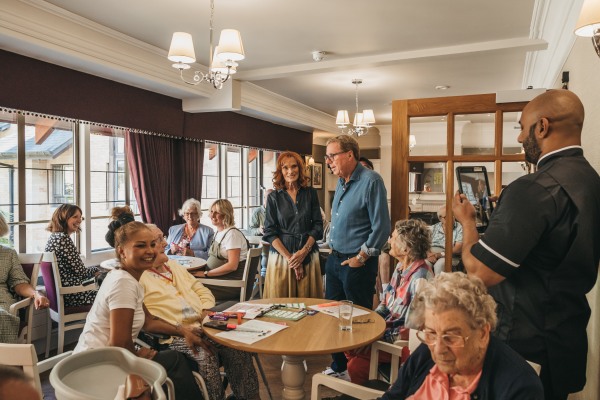
Then there’s the environment within the home itself. When you visit, take time to really observe. Are the communal spaces inviting and comfortable? Do the rooms and facilities feel warm and homely? Can residents easily access gardensand outdoor spaces?
You’ll know within minutes whether a place feels like a home or an institution. Trust that instinct.
Quality of Life, Not Just Quality of Care
Here’s something that’s often overlooked: many care homes focus primarily on keeping people safe and meeting their basic needs. Safety is absolutely essential, of course. But it’s not sufficient on its own.
The best homes—the truly luxurious ones—understand that residents still want to live fully. They want to feel engaged, to experience joy, to maintain a sense of purpose.
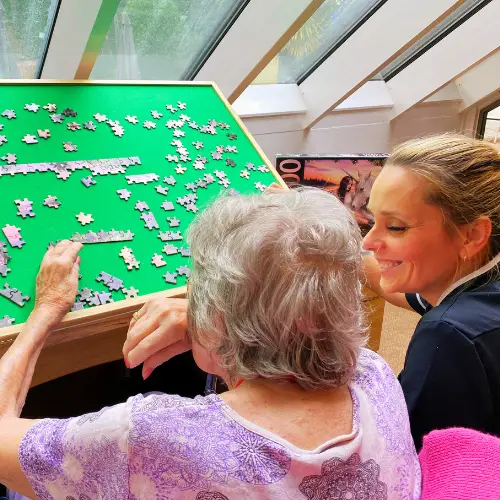
What does the activities programme look like? Is there genuine variety that reflects what residents actually enjoy, rather than a one-size-fits-all approach? Look for evidence of days out to places of interest, creative pursuits like art and music, and innovative approaches such as pet therapy for animal lovers.
Ask to see the events calendar, but better yet, ask residents what they’ve enjoyed recently. Their responses will tell you far more than any brochure.
The Importance of Good Food
Food deserves more consideration than it typically receives in the care home selection process.
Mealtimes aren’t just about nutrition—they’re about pleasure, social connection, cultural identity, and cherished memories. They’re about someone’s favourite Sunday roast and their particular preference for how toast should be done.
Try to visit during mealtime if possible. Is the catering prepared on-site or delivered from elsewhere? Is there real choice on the menu, or does everyone receive the same meal regardless of preference? Can dietary requirements and personal tastes be accommodated?
The dining environment itself is revealing too. Does it feel like a place where people genuinely want to gather and enjoy meals together?
Staff Quality Makes All the Difference
You can have the most beautiful building, excellent equipment, and impressive facilities—none of it matters if the staff aren’t genuinely caring and well-trained.
When you visit, observe how staff interact with residents. Do conversations seem warm and natural? Do staff know people’s names, their families, their preferences? Or does everything feel rather task-focused and hurried?
Ask about staff training, particularly any specialist training relevant to your needs. What about staff retention rates? High turnover is a concern—it disrupts the continuity of care and the relationships that residents build over time.
Don’t hesitate to ask about the organisation’s core values either. Do they align with what matters most to you? Values should be visible in practice, not just words on a website.
Financial Transparency and Security
The financial aspect requires open and honest discussion, even though it’s not the most comfortable conversation.
A reputable care home will be completely transparent about their fee structure and any additional costs. What’s included in the base fee? What incurs extra charges? How are fee increases managed?
Navigating care funding can be complex, so look for providers who offer clear guidance and support through the process. Some organisations provide additional reassurance through schemes like the Home For Life initiative, which guarantees that changing financial circumstances won’t affect a resident’s place.
Financial peace of mind allows families to focus on what truly matters—spending quality time together.
Personal Touches That Create a Sense of Home
Luxury care reveals itself in thoughtful details.
Can residents bring their own furniture—perhaps that favourite armchair or cherished side table? Can they display family photographs and personal mementos? Are there opportunities to maintain hobbies and interests?
These aren’t trivial considerations. These are the elements that transform a care facility into someone’s actual home, rather than simply a room they occupy.
Flexibility and Additional Services
Life doesn’t always follow a predictable path, and care needs can arise unexpectedly or change temporarily.
Does the home offer respite care for short-term stays—perhaps while family carers take a necessary break? What about day care services for those not yet ready for residential care? Can they accommodate urgent admissions when circumstances change suddenly?
Forward-thinking care homes often provide additional services that significantly enhance wellbeing, such as on-site GP appointments, physiotherapy, or complementary therapies.
Flexibility matters because life rarely follows our carefully laid plans.
Trust Your Instincts
You can conduct extensive research and ask every relevant question, but ultimately, your instincts matter.
When you visit, pay attention to the atmosphere. Can you genuinely imagine your loved one being content there? Do current residents appear engaged and comfortable? When families visit, are they welcomed warmly?
Many families report that they simply knew when they found the right place. Equally, they recognised when somewhere wasn’t quite right, even if they couldn’t immediately articulate why.
Pay attention to that feeling—it’s usually correct.
Taking the Next Steps
If this all feels somewhat overwhelming, that’s completely normal. Starting the conversation about care is challenging for most families.
Take your time with this decision. Visit several homes. Ask questions—as many as you need to. Speak with current residents and their families if possible. Make use of available guides on finding the right care home to help you understand what to look for.
This isn’t a decision to rush. You’re not simply finding care—you’re finding a place where someone you love can continue to live with dignity, comfort, and happiness.
The right luxury care home will deliver all of this. Not perfection (nowhere’s perfect), but genuine, person-centred care provided by people who see residents as individuals with their own stories, preferences, and worth.
And that’s absolutely worth taking the time to find.