






Your Loved One’s First 30 Days in a Care Home – How LuxuryCare Makes the Transition Easier

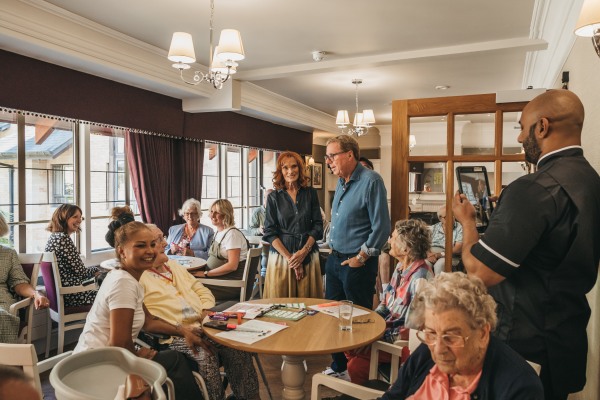
Making the decision for a loved one to move into a care home is rarely simple. Even when you know it’s the right step for their safety, health and wellbeing, those first few weeks can feel daunting for everyone involved. Families worry: Will they settle? Will they feel at home? How will we stay involved?
At LuxuryCare, we know that the first 30 days in a care home set the tone for everything that follows. That’s why we focus on carefully planned admissions, personalised care and warm day-to-day support that helps people feel secure, understood and valued from the very first day.
In this guide, we’ll walk through what typically happens in the first month at one of our care homes in Bournemouth or Poole, and how we work with families to make the transition as smooth as possible.
Before Day One - Preparing for the Move
A positive first month actually begins before your loved one moves in. During the enquiry and admission stage, our team spends time getting to know your family, medical history and lifestyle preferences.
You’ll usually start by exploring our homes and care options on the main website and booking a viewing. Many families find it helpful to read our dedicated admission guide, which explains what to expect from the process and how we tailor support from the very beginning.
Ahead of move in day, we’ll:
- Review medical information, current care arrangements and any professional reports
- Discuss your loved one’s likes and dislikes, from hobbies to favourite TV programmes
- Ask about meal preferences, religious or cultural needs, and important routines
- Talk through key worries so we can plan extra reassurance where needed
This allows us to begin crafting a bespoke care plan that reflects your loved one as a whole person, not just a list of care tasks. You can read more about how we design individual care on our Our Care pages.
Week One - Warm Welcome and Gentle Settling
The first few days are often the most emotional. Residents leave behind familiar surroundings, while families adjust to a new routine of visiting and staying in touch.
A Calm, Structured First Day
When your loved one arrives, we make sure:
- They are personally welcomed by staff who already know their name and story
- Their room is prepared, clean and ready to personalise
- There’s time for a cup of tea, a friendly chat and a relaxed tour, rather than rushing
We encourage families to bring personal items from home straight away: favourite photos, a treasured chair, ornaments, books or blankets. Small touches like these help the space feel like their room, not just a room in a care home. You can explore how we support comfort and familiarity on our rooms and facilities page.
Building Trust with the Care Team
During the first week, staff spend time:
- Introducing themselves gradually so your loved one can learn familiar faces
- Supporting with everyday tasks in a calm, unhurried manner
- Observing how your loved one likes things done, from morning routines to preferred seating at mealtimes
Families are encouraged to visit, ask questions and share extra details that might help us support their loved one with confidence and kindness.
Weeks Two and Three – Routines, Relationships and Activities
Once the initial nerves ease, the focus turns to routine and belonging.
Establishing a Daily Rhythm
Most people feel more secure once they know roughly what each day will look like. During weeks two and three, we work with residents to establish:
- Comfortable wake up and bedtimes
- Preferred bath or shower routines
- Seating choices in lounges and dining rooms
- Regular participation in activities that match their interests
Life at LuxuryCare is intentionally varied. Our Life at LuxuryCare overview explains how daily routines are balanced with activities, events and quiet time to suit different personalities.
Joining In with Activities and Days Out
For some residents, jumping straight into group activities is exciting; for others, it takes time. There’s no pressure. Instead, we offer invitations and options:
- Art and music sessions for creative expression, you can explore more on our Art and Music page
- Gentle exercise, games and reminiscence activities
- Garden walks and visits to our carefully designed outdoor spaces, supported by our gardens programme
- Occasional days out in the local community, which you can read about in more detail on our Days Out section
Participation at this stage is all about confidence. Many residents find that once they’ve tried one or two activities, new friendships and routines begin to grow naturally.


Supporting Residents with Dementia During the First 30 Days
For people living with dementia, the first month in a new environment can be particularly sensitive. We use a combination of:
- Dementia trained staff
- Clear visual cues and signage
- Familiar items from home in bedrooms and communal areas
- Calm, predictable routines
Our specialist dementia care and dedicated sensory spaces, such as the new sensory room at Aranlaw House, offer gentle stimulation and reassurance for residents who may feel disorientated at first.
Families who’d like a wider context on supporting someone with dementia during transitions often find the Alzheimer’s Society resources helpful, including advice on moving to a care home and settling in.
How Families Stay Involved in the First Month
The first 30 days are not just about the resident: they’re also about you as a family.
Open Visiting and Communication
LuxuryCare promotes an open, collaborative relationship with relatives. Our blog on staying connected with loved ones during special occasions shows how we encourage visits, shared celebrations and everyday moments together.
During the first month, you can expect:
- Flexible visiting so you can come at times that suit work and family life
- Opportunities to join your loved one for meals or activities
- Regular updates from staff, especially in the early days, to reassure you about how they are settling
Being Part of the Care Plan
Care plans are living documents, reviewed and refined as we get to know your loved one better. In the first month, we’ll:
- Check that the initial plan still reflects their needs accurately
- Adjust support for mobility, personal care or medication as things change
- Invite your feedback on what’s working well and what might need tweaking
If you’d like structured advice on what to look for and ask about during visits, our recent blog “Questions to Ask When Touring a Care Home” is a useful reference, even after admission.
End of the First 30 Days - Reviewing and Looking Ahead
Towards the end of the first month, there is often a natural review point. By this stage, many residents:
- Recognise key staff and fellow residents
- Have a clearer daily routine
- Have tried several activities or outings
- Feel more comfortable with the layout of the home
We’ll usually:
- Review the care plan with you
- Discuss any remaining worries about settling
- Look at how we can continue building on what’s working well
If your loved one joined us during a specific season, such as winter, you may find it helpful to read our blog on planning a care home move for winter, which explores how we support residents through seasonal changes and keep homes warm, active and uplifting year round.

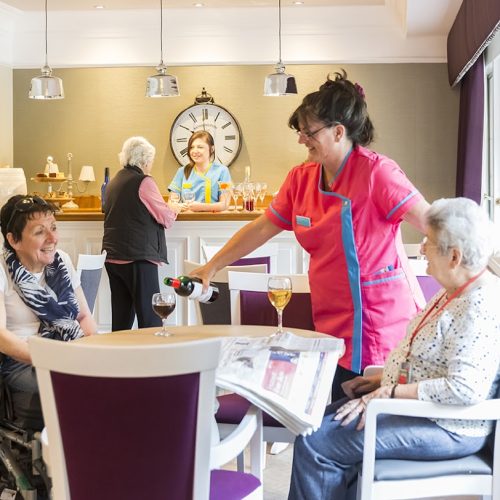
Practical Tips for Families in the First Month
To make the first 30 days in a care home feel more positive, you might find these suggestions useful:
- Visit regularly, but without pressure – even short, relaxed visits can make a big difference
- Bring familiar comforts – favourite cushions, music, photos and books help bridge the gap between “old home” and “new home”
- Keep communication open – share any changes you’ve noticed and ask staff how things are going day to day
- Celebrate small wins – trying a new activity, making a new friend or simply feeling more settled is worth recognising
NHS guidance on supporting older adults’ wellbeing when moving into care also offers general advice on coping with change and maintaining mental health.
A New Chapter, Not an Ending
The first 30 days in a care home can feel like a huge step, but with the right support it becomes the start of a safer, more supported, and often more fulfilling chapter for your loved one.
At LuxuryCare, we combine:
- 25 years of experience caring for older adults in Bournemouth and Poole
- Compassionate, highly trained teams
- Personalised care plans and a rich programme of activities
All designed to help residents feel at home as quickly as possible.
If you’re considering a move for your loved one and would like to talk through what their first month could look like, you can contact our friendly team or book a viewing to explore our homes in person.